Present & Company

Processed With Darkroom
I recently went down a Jane Austen rabbit hole, all in thanks to peanut butter frosting. Yes, peanut butter frosting. Stay with me, I’ll explain.

Whilst making peanut butter frosting for some cupcakes for a friend of a friend, my spice grinder overheated and broke. (I make my own powdered sugar which is very easy to make at home, if you have the proper equipment, that is.) I did not have enough powdered sugar to create the consistency I needed for the frosting and made several attempts to “fix” the frosting I had, to no avail. In COVID-19 times, a “quick trip” to the market for new equipment or a box of powdered sugar was out of the question for me.

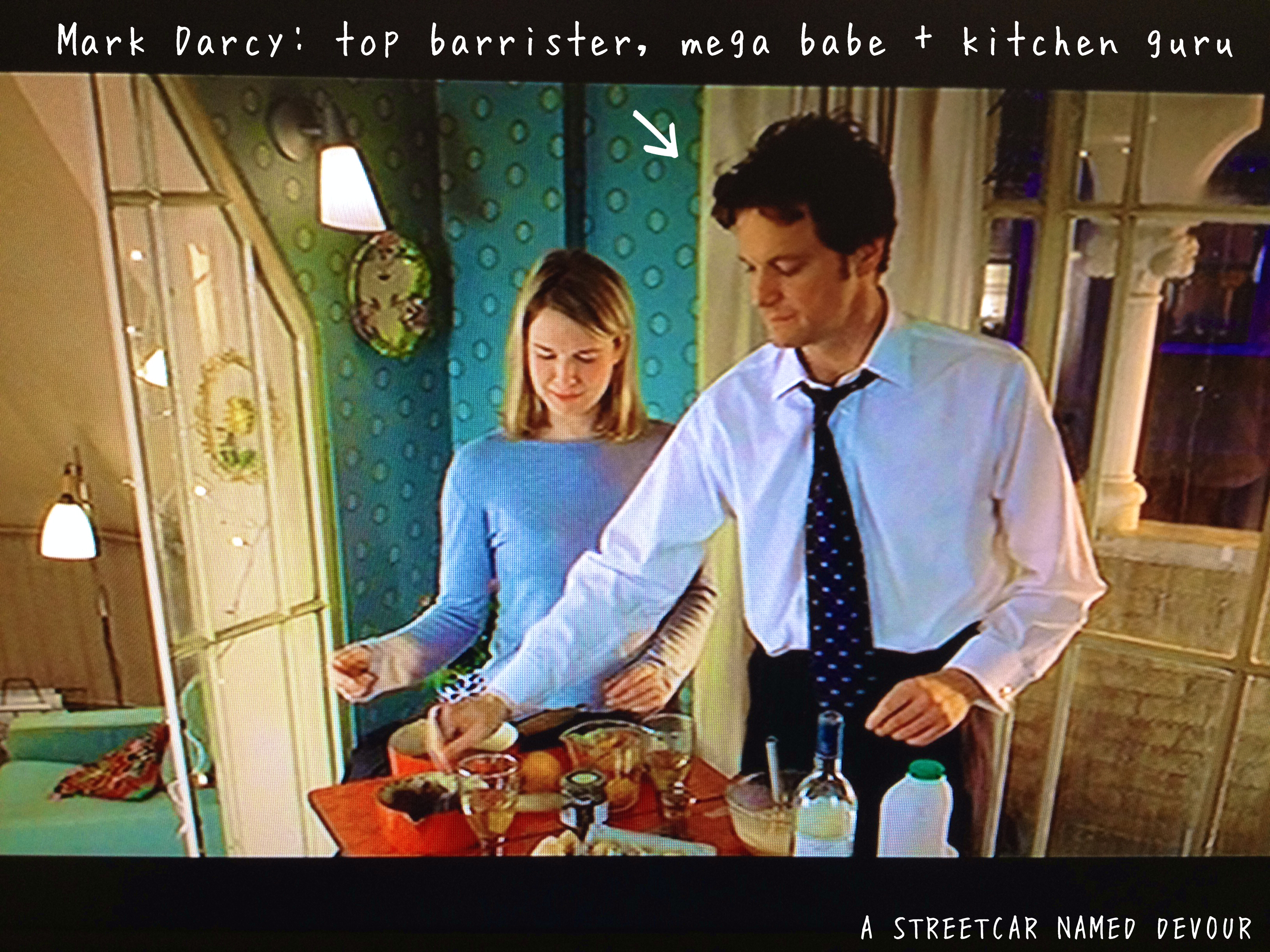
When I finally threw in the towel, my kitchen resembled that of one Bridget Jones during the famous birthday dinner scene in Bridget Jones’s Diary where her kitchen is turned completely upside-down thanks to blue soup, omelet with caper berry gravy and a dessert that tastes like orange marmalade. I couldn’t help but feel like poor Bridge—so helpless and so quick to reach for the bottle of booze. Her surprising visit from Mark Darcy (ding dong!) to help save the day (and win her heart!) was a dreamy rom-com narrative, but this story doesn’t quite end like that, sadly. Though I’ve spent many a times thinking about it. As well as that scene where Mr. Fitzwilliam Darcy emerges from a pastoral lake after a swim in Pride & Prejudice. (Ding fucking dong!)

I hate throwing away food. Instead, I saved the remnants of the unstructured (yet quite delicious) frosting and put it in the fridge for a later time. Then I continued thinking about Jane Austen, as one does when you’ve been dissecting her work since you were a teenager. I had long wished to watch the TV series adaptation of her final and unfinished work in Sanditon (Available for streaming on PBS with a subscription or via Amazon.) but never had the time to. And oh, well that is no longer an excuse, is it?

I signed up for the week-long free trial subscription with the goal of watching as much content as I can within that time. I binge-watched Sanditon, finishing in a day and a half, and then that turned into watching Northanger Abbey followed by Love & Friendship. In the middle of this Austen-adaptation marathon, I decided to use the leftover frosting and make something to snack on while I binged on the couch. (The bottle of wine needs pairing company, you know.) And then the idea came upon me—the answer is Mr. Darcy. What goes better with peanut butter aside from jelly? Chocolate! And what pairs well with chocolate? Wine! It’s a win-win.

(Side note: This isn’t my first foray in deconstructing Austen’s adaptations work in this blog. Check out this post for more Bridget Jones’s Diary fun.)

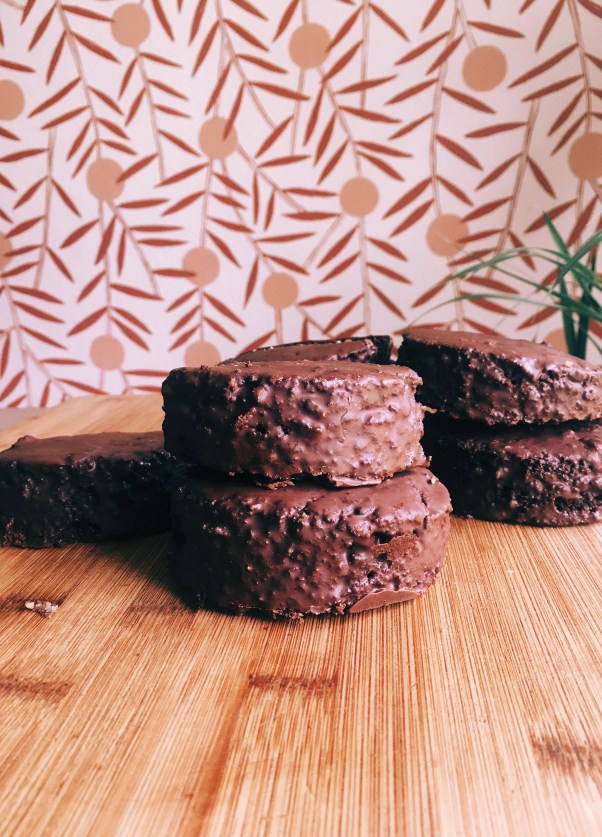
I altered the chocolate cupcake recipe I had originally used to make a Ding Dong. The peanut butter frosting doesn’t have the same marshmallow-like consistency of the original Hostess treat, but what this cake snack lacks in that filling texture well makes up for in flavor. Trust me when I tell you these “Ding Dong”-like treats are the belle to any Regency ball.

As with all of my more recent recipes, this is vegan and gluten-free. You most certainly can make this with gluten by subbing the GF flour with pastry flour.

==
Processed With Darkroom

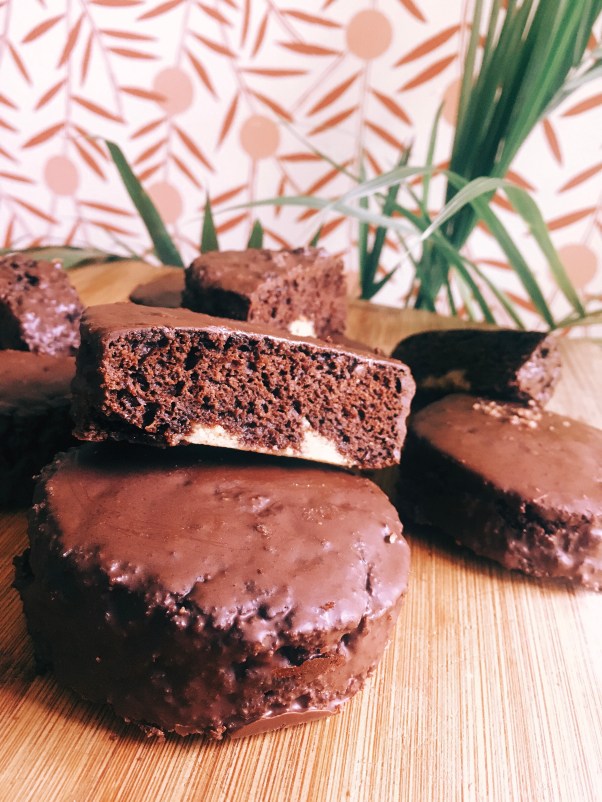
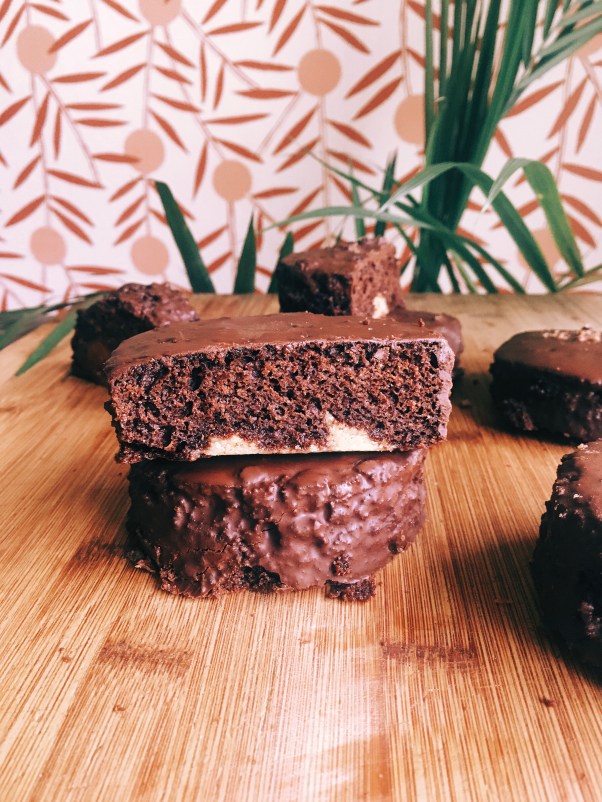
Peanut Butter Ding Dong Cakes
Yields about 6 cakes (with leftover scrap pieces for even more snacking!)
Complete Recipe by A Streetcar Named Devour
Cake recipe slightly adapted from Minimalist Baker

FOR THE CAKES

INGREDIENTS
2 flaxseed eggs (2T flaxseed + 5T hot water combined)
1/2 cup non-dairy milk (I used soy in this with wonderful results)
3/4t apple cider vinegar
1.5t baking soda
1/3 cup coconut sugar
1/3 cup blackstrap molasses
1/4 cup coconut oil, melted
1 cup applesauce
1/2t pure vanilla extract
1/4t Kosher salt
1/3 cup cocoa powder, sifted
1/2 cup GF oat flour
1 cup GF blend flour

METHOD
Preheat oven to 350 degrees. Grease a 9-inch non-stick square pan like this and a 9″x5″ loaf pan like this one with oil and dust with some GF flour. (If you have a pan large enough that fits 6 cakes, go for it!)

Combine the flaxseed egg ingredients  in a small bowl and set aside. Combine the milk and vinegar in a separate large bowl and allow to sit for a few minutes while you gather the rest of your ingredients. (This will give your milk time to curdle.) Then add the baking soda to the milk-vinegar mixture.

Add the flax eggs, sugar and molasses to the milk-vinegar mixture. Mix to combine. Add the applesauce, coconut oil, vanilla and salt to the mix, stir. Sift in the cocoa powder. And then mix in the flours. You should get a nice thick batter.

Distribute the batter to both pans evenly. Bake for about 30-35 mins or until the cake is done. Once done baking, set aside to cool.

FOR THE FROSTING

INGREDIENTS
1/3 cup creamy peanut butter
1/4 cup vegan butter (I like Miyoko’s or Earth Balance)
1/2t pure vanilla extract
3/4 cup powdered sugar
1/8 cup soy milk

METHOD
In a hand-held or stand mixer, cream the peanut butter and vegan butter together till light and fluffy. Slowly add in the vanilla extract and mix till combined. In 1/4 cup increments, add in the powdered sugar, alternating with a bit of the soy milk every time. Set aside.

FOR THE CHOCOLATE COATING

INGREDIENTS
1 cup vegan dark chocolate
1T coconut oil

METHOD
In a double-boiler (a heatproof glass bowl over a pot of boiling water) melt the chocolate. Turn off the heat and then add in the coconut oil.  Stir to combine.

ASSEMBLY
Once the cakes are cooled down, use a circular cookie cutter to punch out six cakes. I have (and love!) this one. Carefully remove the scraps and set aside for a later project or in-between snacking.

With a piping bag and 1M star tip,  flip the cake over and pipe a bit of the frosting. Repeat with the rest of the cakes.

Set up a cooling rack with a baking sheet underneath and take your melted chocolate bowl and place a cake (one at a time) in the melty chocolate. Flip it over to fully coat each side. Carefully remove the cake and set on the cooling rack top side up. Repeat till all cakes are nicely coated. Take the cooling rack/sheet tray to the refrigerator to set the chocolate, about 30 mins to an hour.

The cakes are ready to eat once the chocolate has completely dried and no longer leaves a thumbprint when you touch the chocolate.

Enjoy with a bottle of wine and your favorite Jane Austen book or film!
Processed With Darkroom


Tastes Like Marmalade

IMG_6389

The dessert course was the easiest to tweak. If you don’t have marmalade on-hand, give yourself 1 prep day to make before you start the cakes.

marm

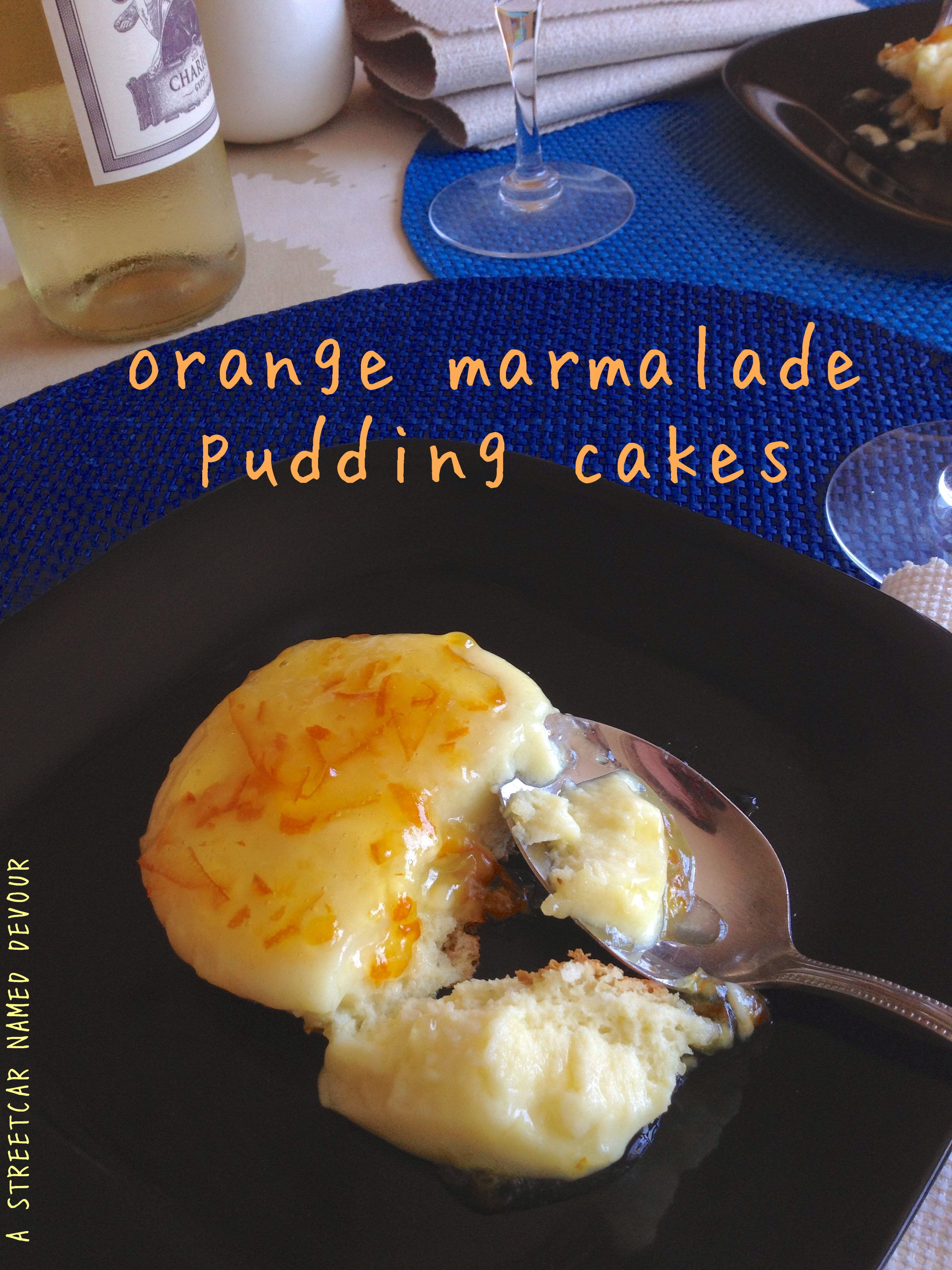
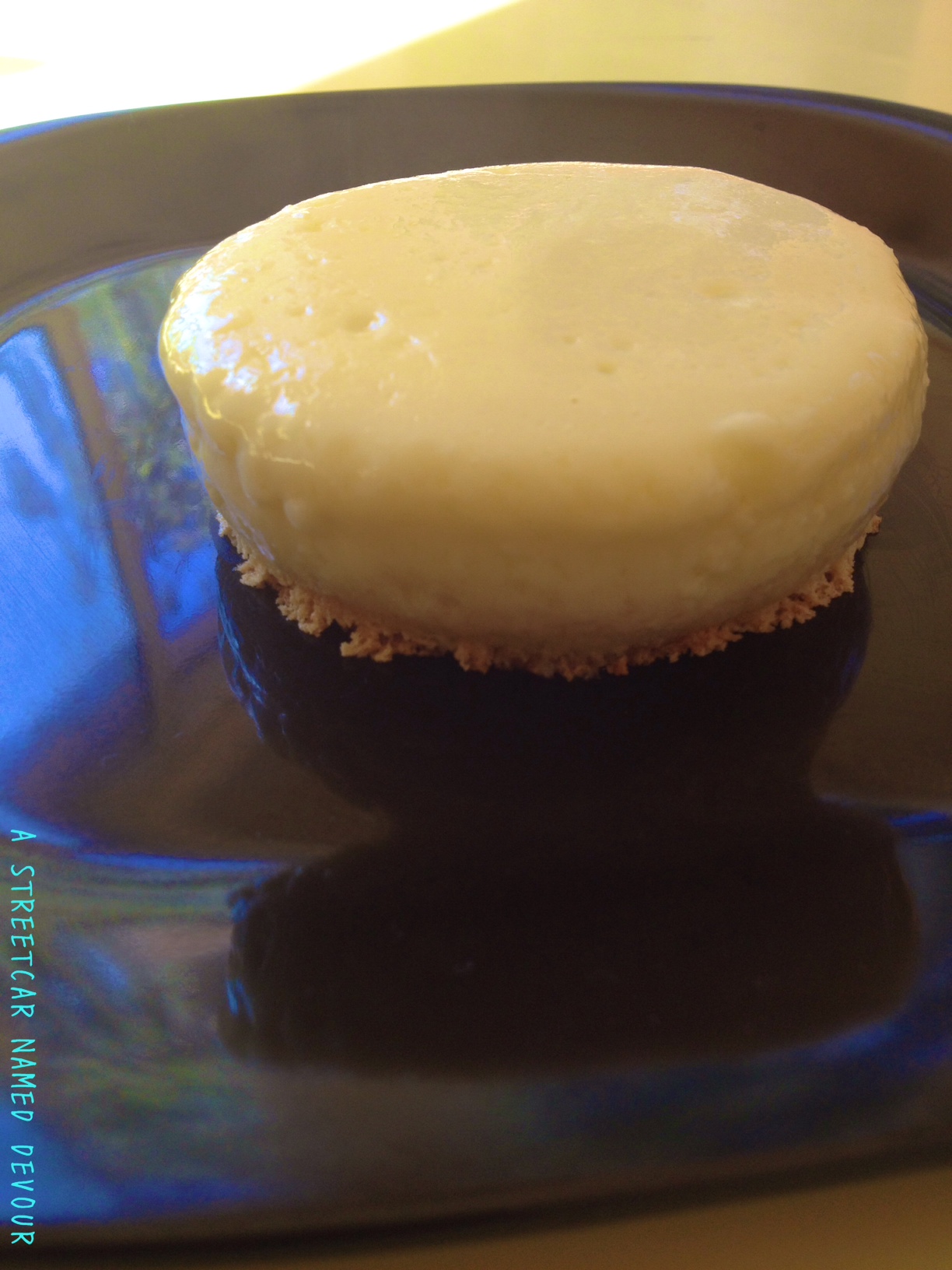
“Tastes Like Marmalade” Pudding Cakes

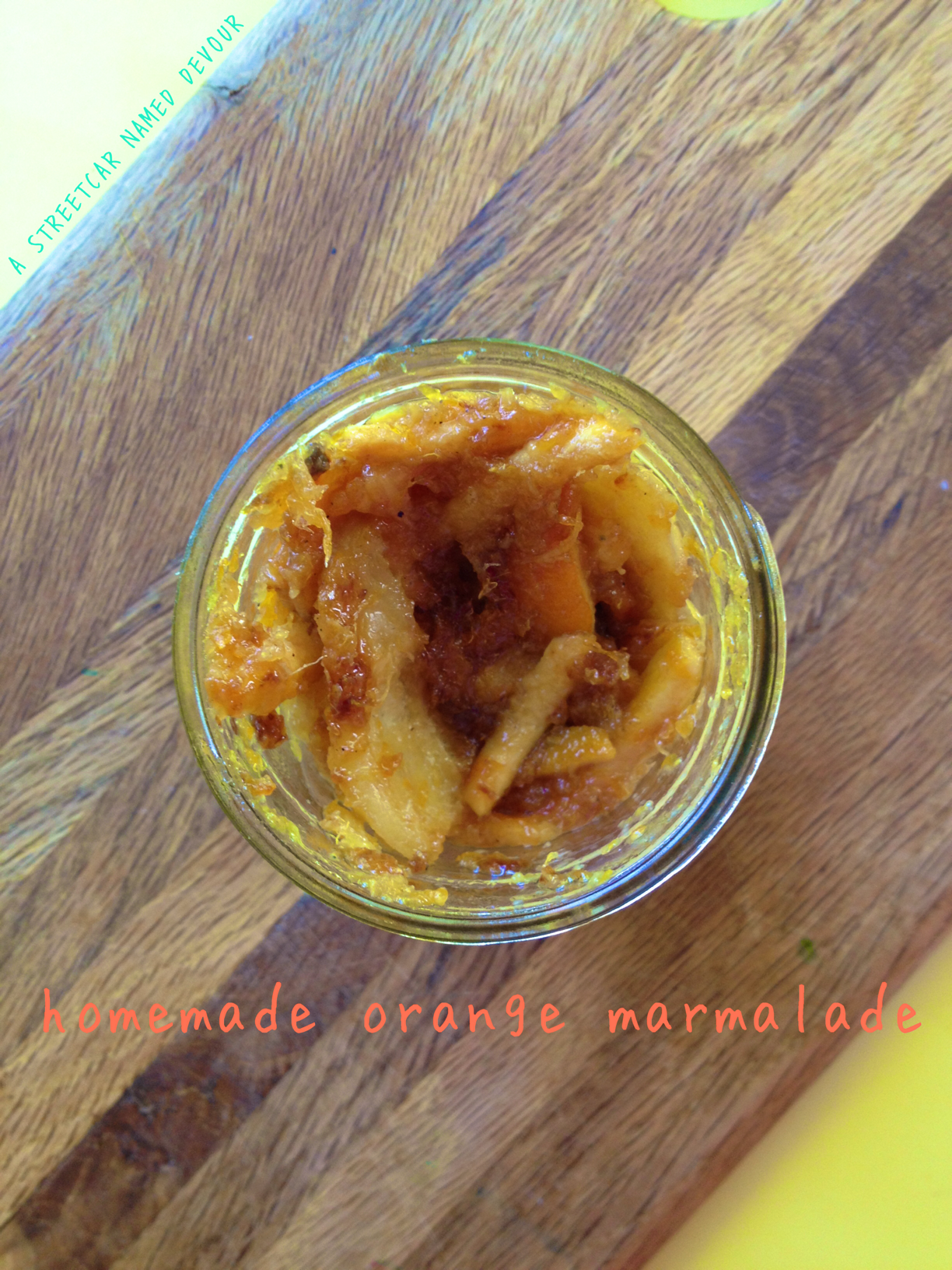
FOR THE ORANGE MARMALADE
Recipe via Martha Stewart
Yields about 1 pint

INGREDIENTS
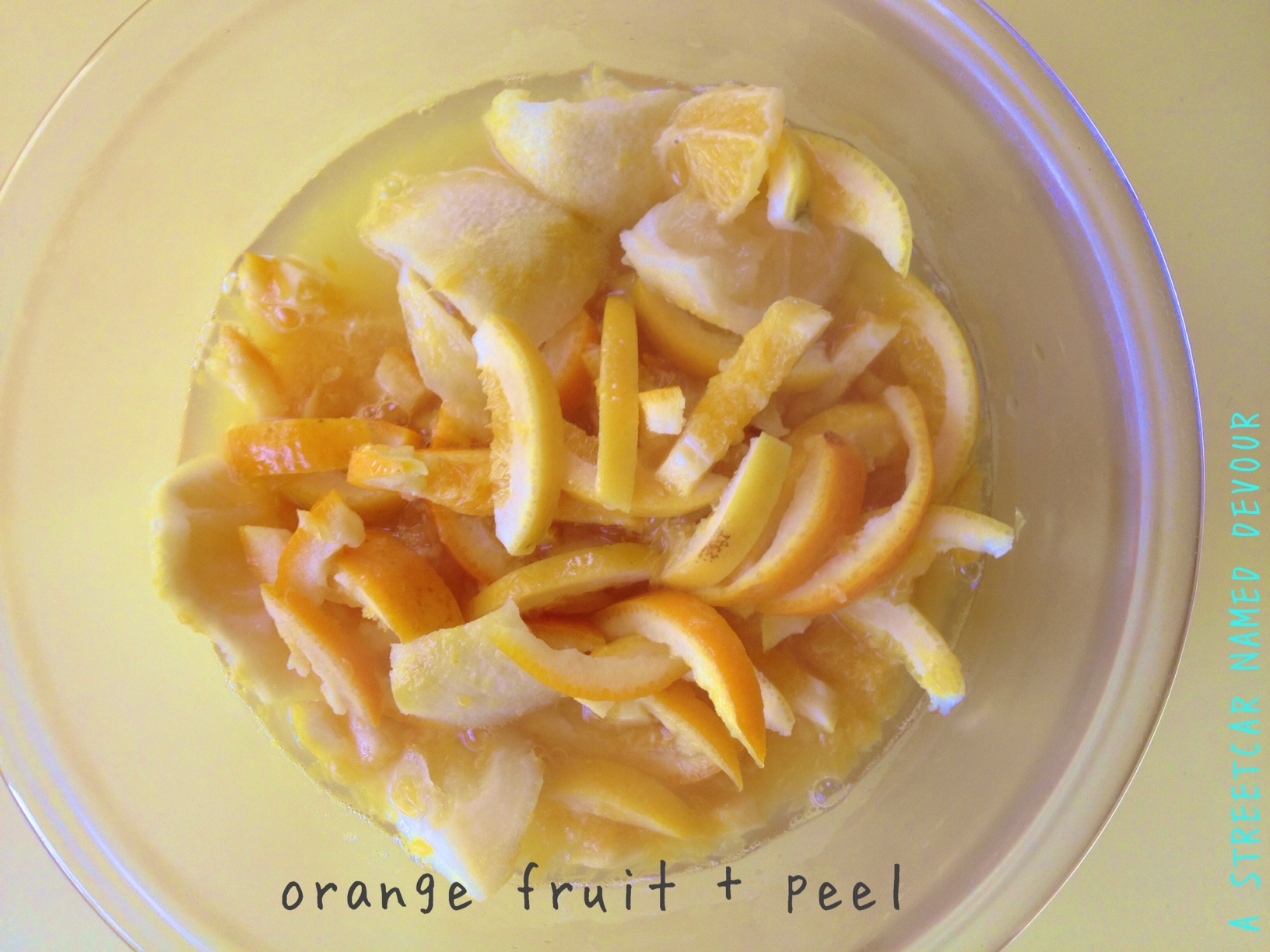
2 oranges, (1 1/2 oranges peeled, peels cut into 1/3-inch pieces, flesh seeded and coarsely chopped; 1/2 orange quartered, thinly sliced, and seeded)
1/2 lemon, quartered, thinly sliced, and seeded
1 1/8 cup cold water
Sugar

ojpeel

METHOD
Bring fruit, peels, and water to a boil in a large saucepan. Cook for 5 minutes. Turn off heat, cover, and let cool. Refrigerate for 8 hours (or up to 1 day).

Freeze a plate. Uncover citrus mixture, and bring to a simmer over medium-high heat. Cook until thickest peel is tender, about 20 minutes. Measure mixture, and return to pan. For each cup of mixture, add 1/4 cup sugar.

Bring mixture to a boil, stirring often. Cook until mixture registers 220 degrees to 222 degrees on a candy thermometer, about 20 minutes. To test for doneness of marmalade: Drop a spoonful on frozen plate. If marmalade has a slight film when pushed with a finger, it’s done. If it spreads out and thins immediately, continue cooking, and test again after a few minutes. Transfer marmalade to airtight containers, cover, and let cool at room temperature. Refrigerate overnight before serving. (Marmalade will keep, covered and refrigerated, for up to 1 month.)

FOR THE PUDDING CAKES
Recipe slightly adapted via Taste of Home
Serves 5

INGREDIENTS
1 tablespoons butter, softened
1/3 cup sugar, divided
1/8 cup all-purpose flour
2 eggs, separated
1/2 cup half and half
1/4 cup pineapple juice
*1/2 cup orange marmalade, warmed (see recipe below)

METHOD
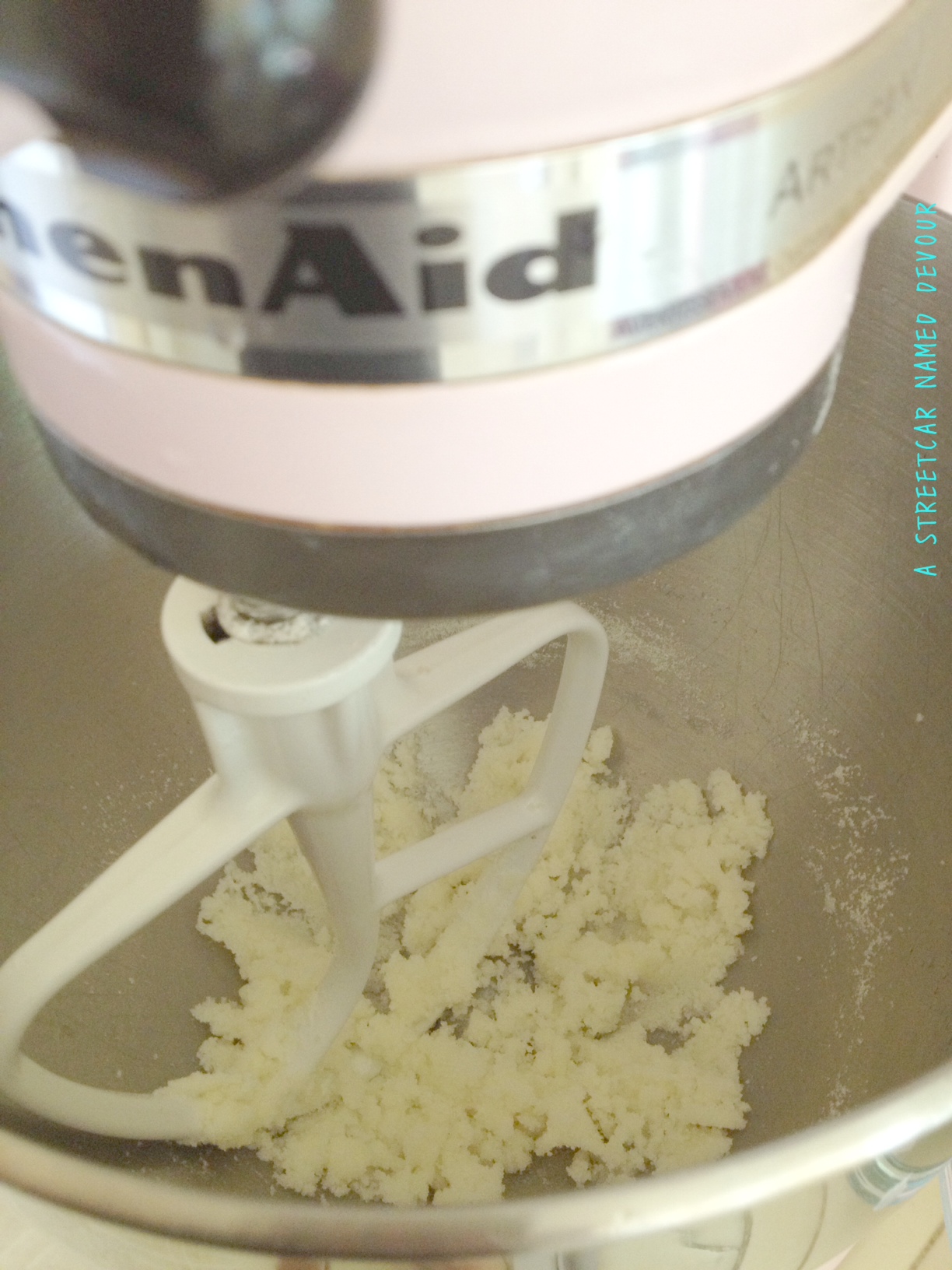
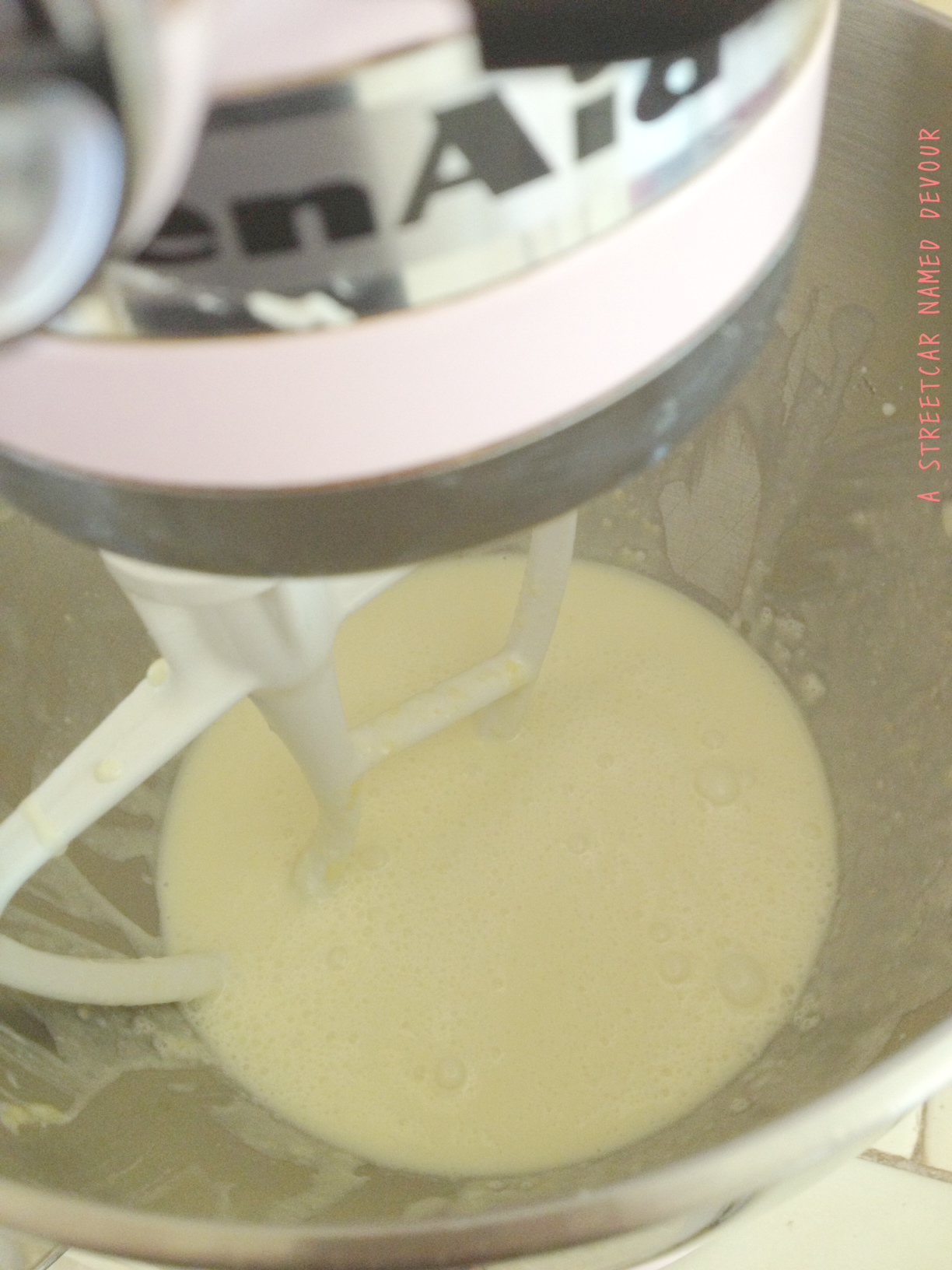
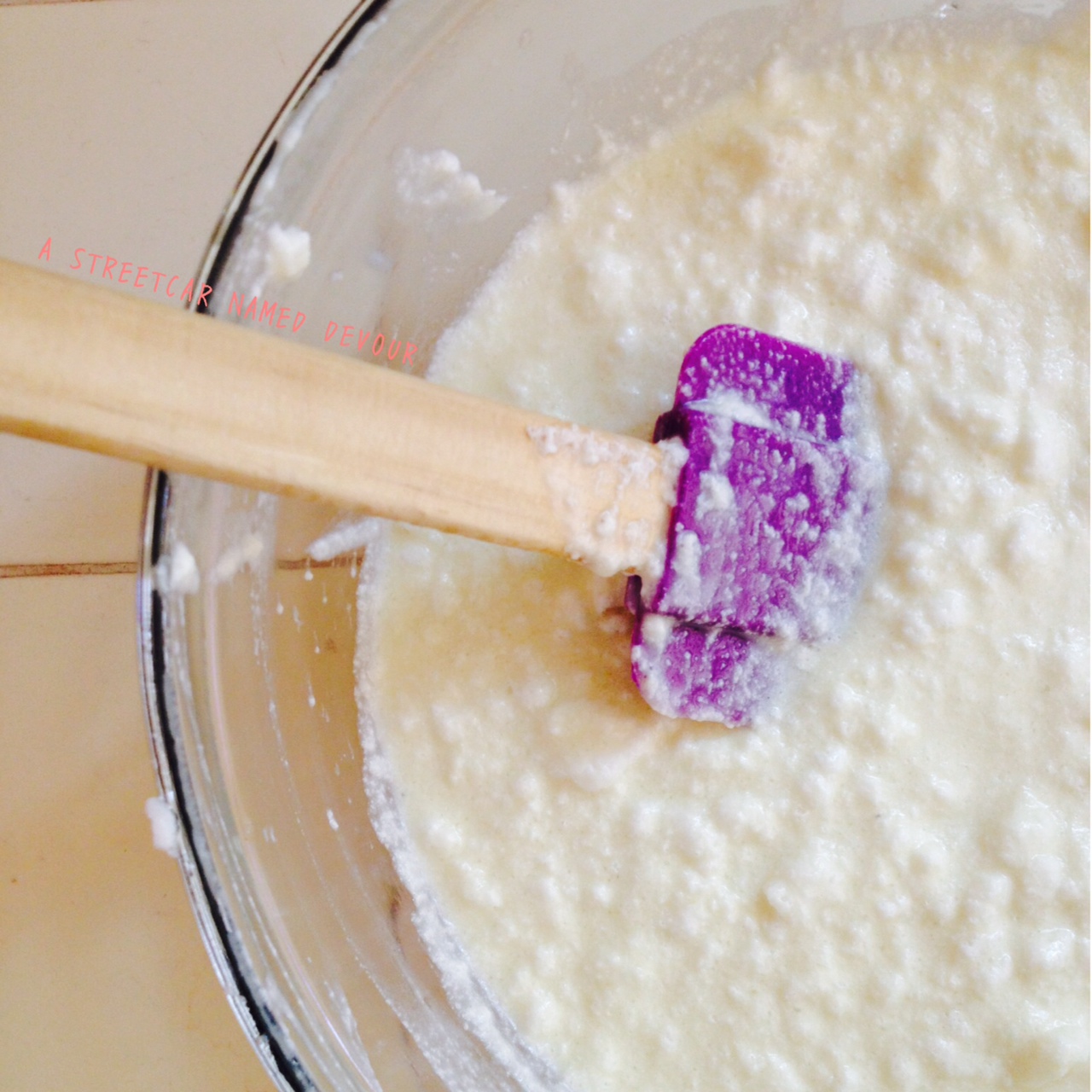
In a small bowl, beat butter and 1/4 cup sugar until crumbly. Beat in flour and egg yolks until smooth. Gradually beat in the milk, pineapple juice, 1 tablespoon lemon juice and orange peel.

pcakebuttersug

pcakemix

In another small bowl, beat egg whites on high speed until soft peaks form. Add the remaining sugar; beat until stiff peaks form. Gently fold into orange mixture.

cakebatter

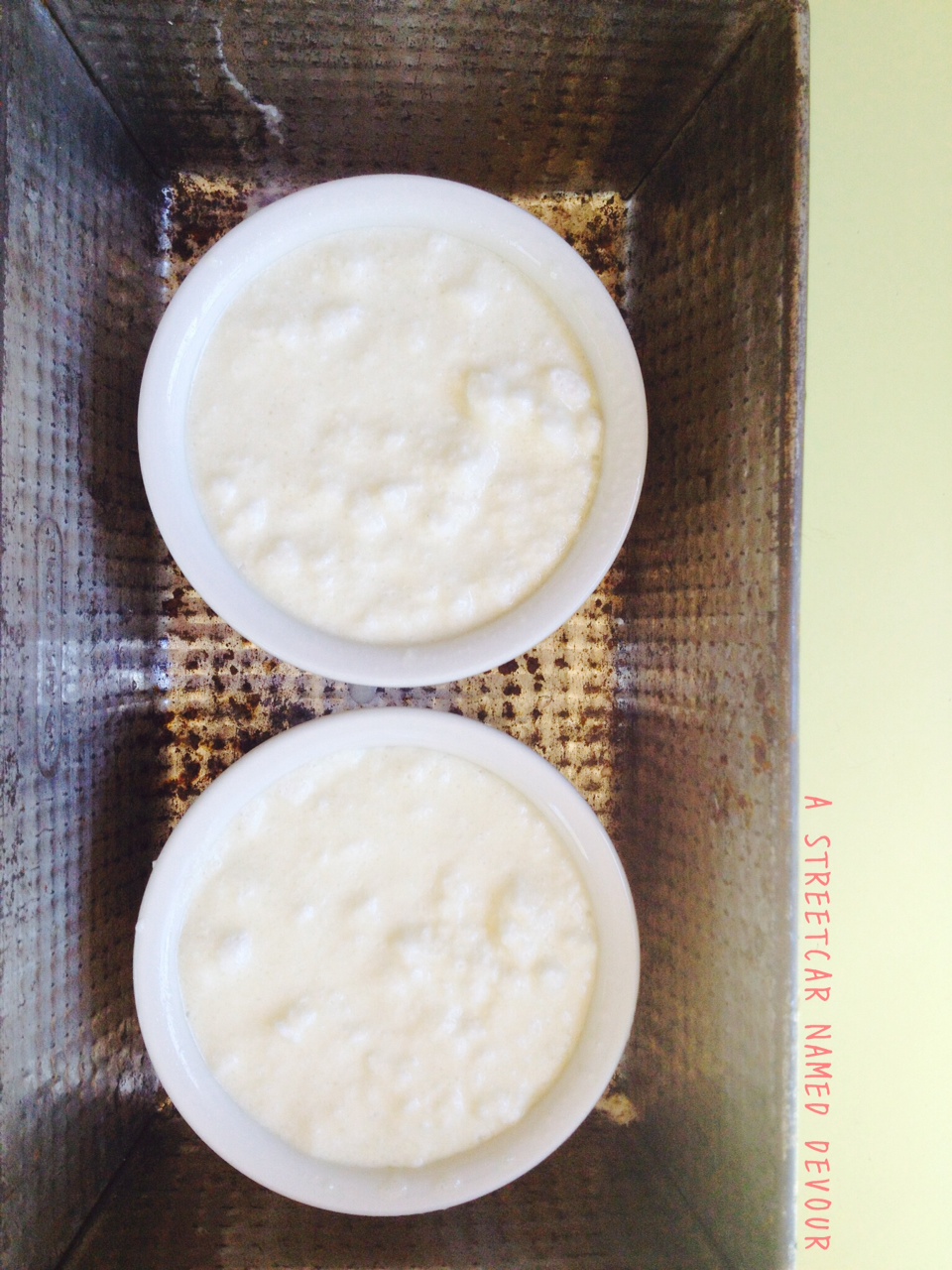
Evenly distribute into 5, 6-oz. custard cups thoroughly coated with cooking spray. Place the cups in 13-in. x 9-in. baking pans; add 1 in. of boiling water to pans.

pcakeprebake

pcakebaked

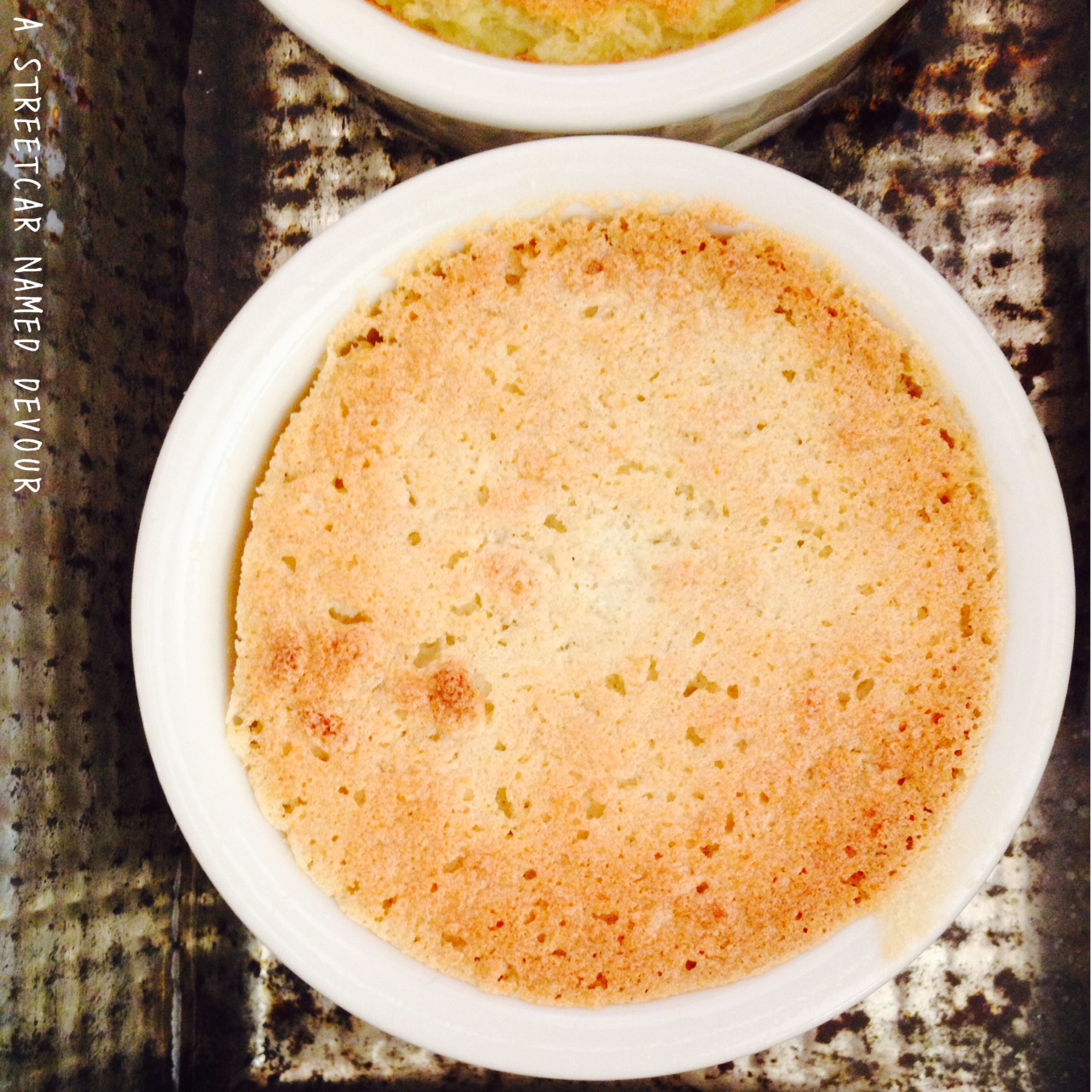
Bake at 325° for 30-45 minutes or until a knife inserted near the center comes out clean and tops are golden brown. (Mine took 45 minutes to bake.) Run a knife around the edges; carefully invert cakes onto dessert plates.

puddingcakeinvert

Combine marmalade and remaining lemon juice; drizzle over warm cakes.

Return to main story HERE

Omelet It Is!

IMG_6386IMG_6392

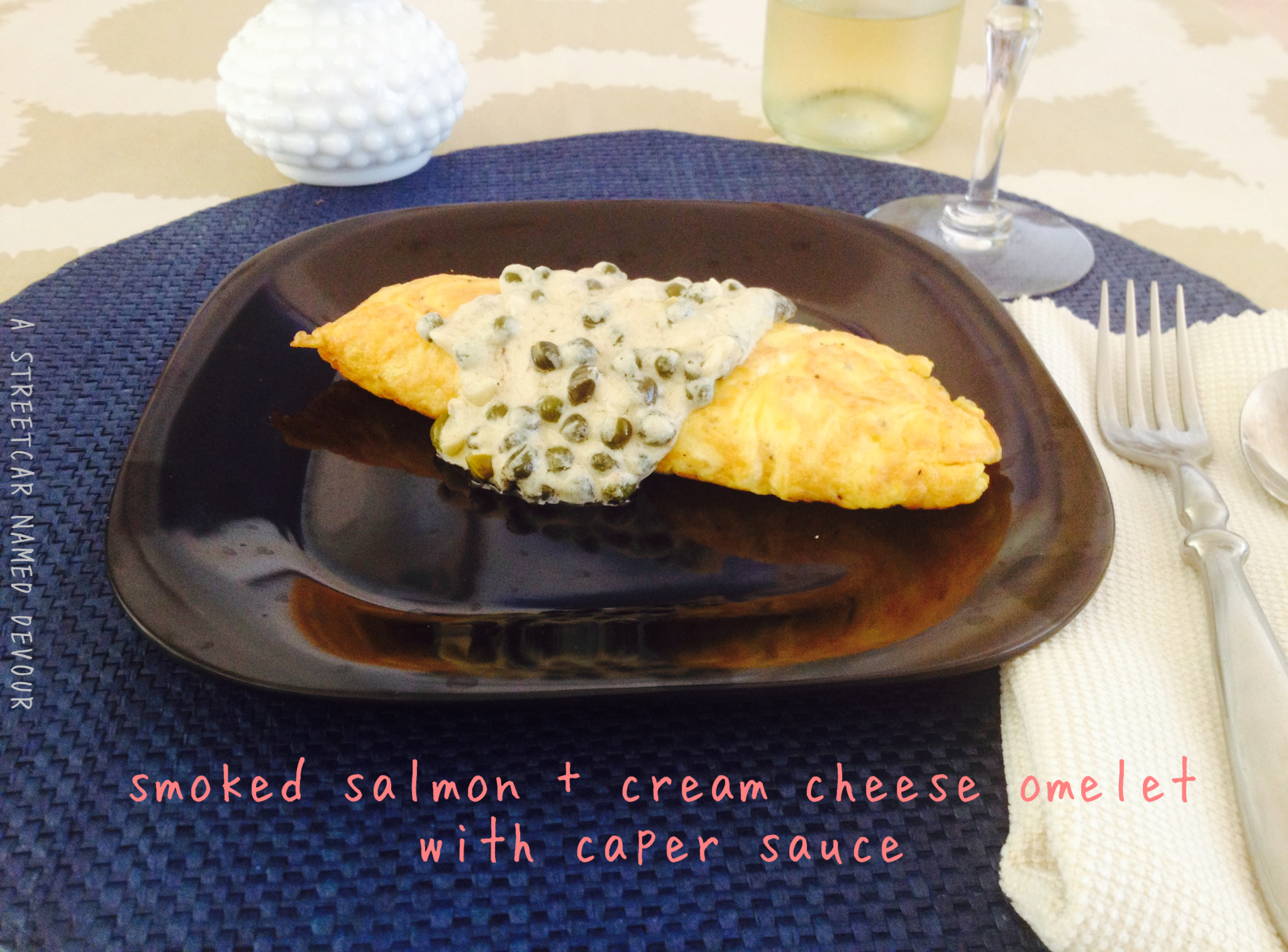
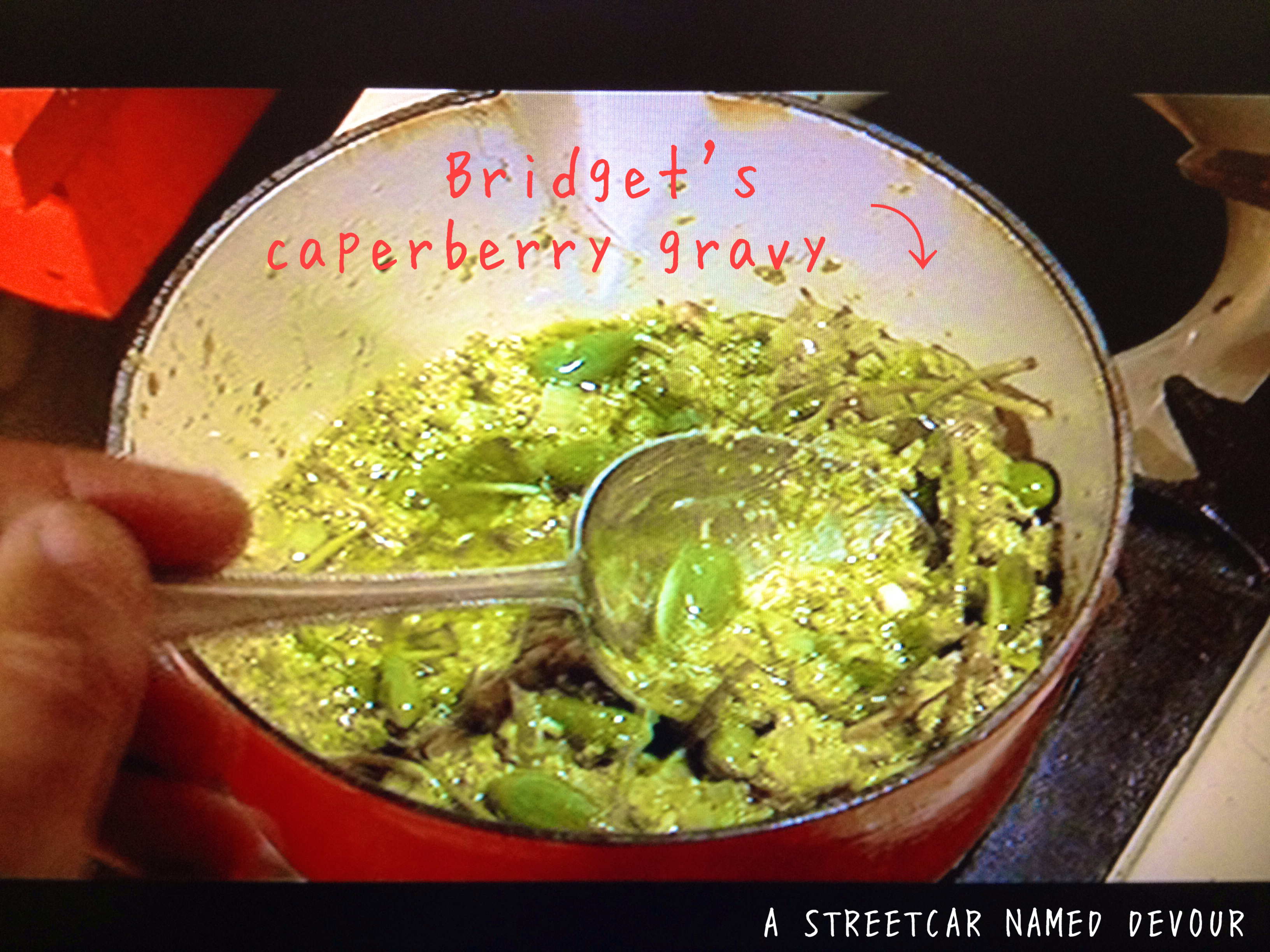
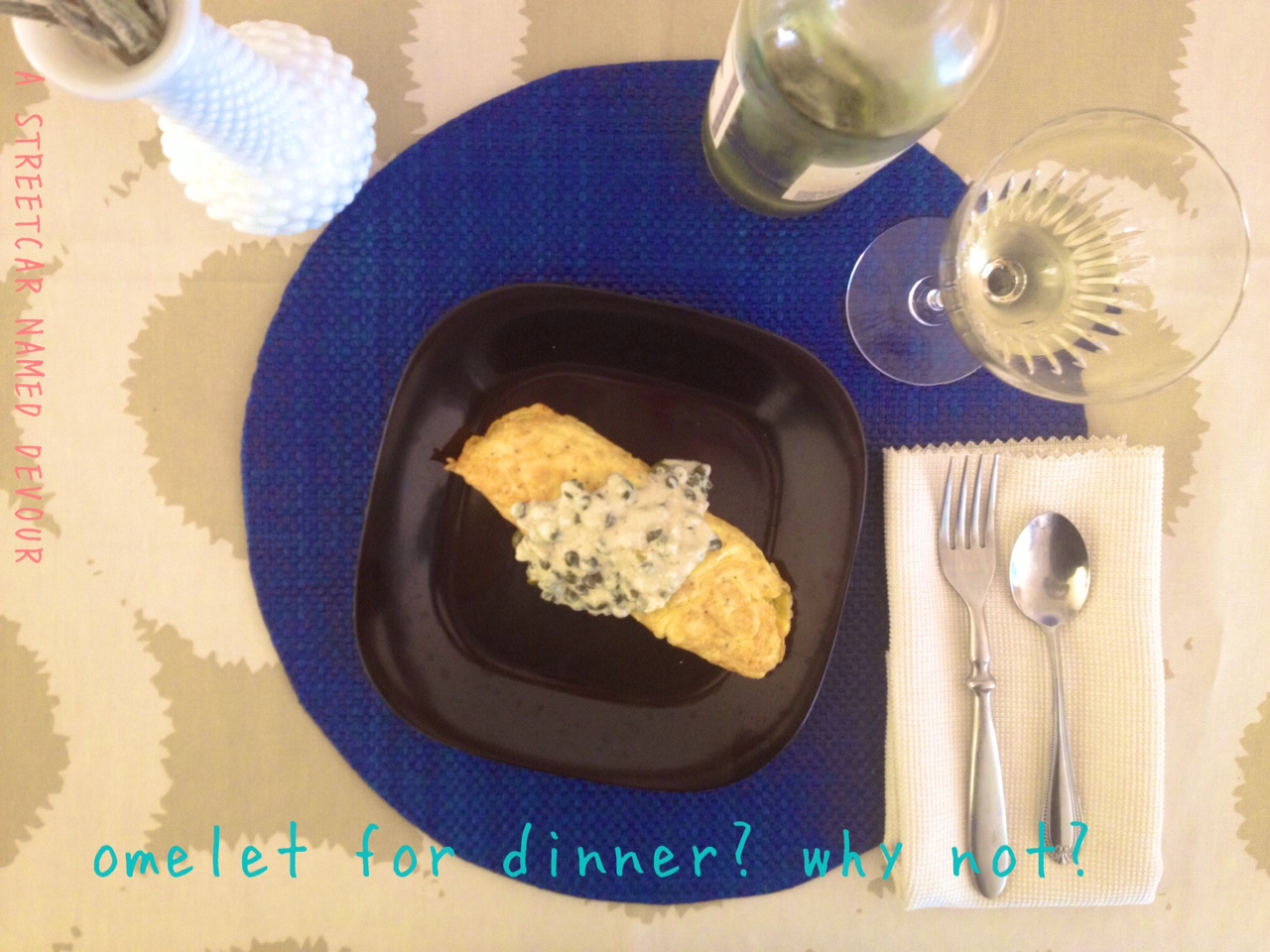
Bridget’s main course malady started when she tried to serve what Mark described as “congealed green gunge.” Caperberries are a bit difficult to find, although many gourmet grocers sell them.  (I saw them once at World Market.) I decided to replace the “Caperberry Gravy” with a Caper Cream Sauce (however, if you can easily find caperberries, do use them in this recipe). Capers are the flower buds from the shrub “Capparis spinosa.” The round, teeny, green flower buds are picked, sun-dried and pickled. Caperberries are capers picked after they’ve matured into flowers–fruit the size of an olive–and then later pickled. Both are extremely flavorful and give a nice salty-sour profile. For purposes of this course, I decided on making an omelet stuffed with smoked salmon (“Where the f*ck is the f*cking tuna?!”) and cream cheese, then topping it with a nice creamy caper sauce. The result is a tasty, slightly more filling, alternative.

IMG_6391

Smoked Salmon and Cream Cheese Omelet with Caper Cream Sauce
Serves 5

INGREDIENTS
10 tablespoons unsalted butter (2 tablespoons per omelet)
10 ea. eggs, room temperature
3 tablespoons, 1 teaspoon capers, drained
5 tablespoons cream cheese, softened
4 ounces thinly sliced smoked salmon, cut into small cubes (I used Echo Falls Oakwood Smoked Scottish Salmon)
Fresh ground black pepper, to taste

METHOD
Gather 5 small bowls and place two eggs in each one. Whisk the eggs in each bowl with a fork, incorporating a lot of air into the eggs till they’re nice and fluffy. Season with black pepper.

filling

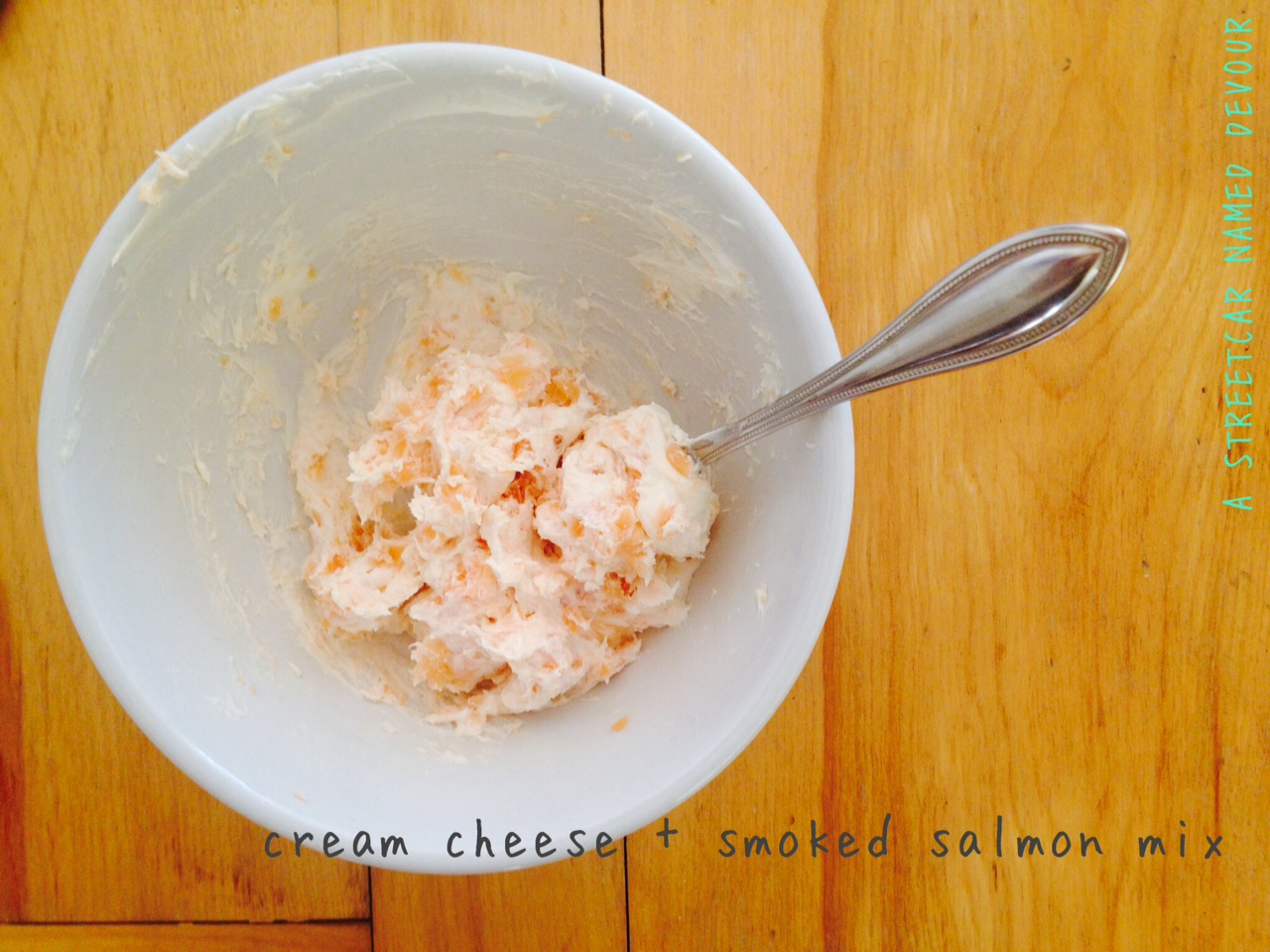
In a separate medium bowl, place the softened cream cheese and cubed smoked salmon chunks and mix with a rubber spatula.In a non-stick pan and over medium heat, melt 2 tablespoons of butter, swirling the butter so that the entire surface of the pan is coated.

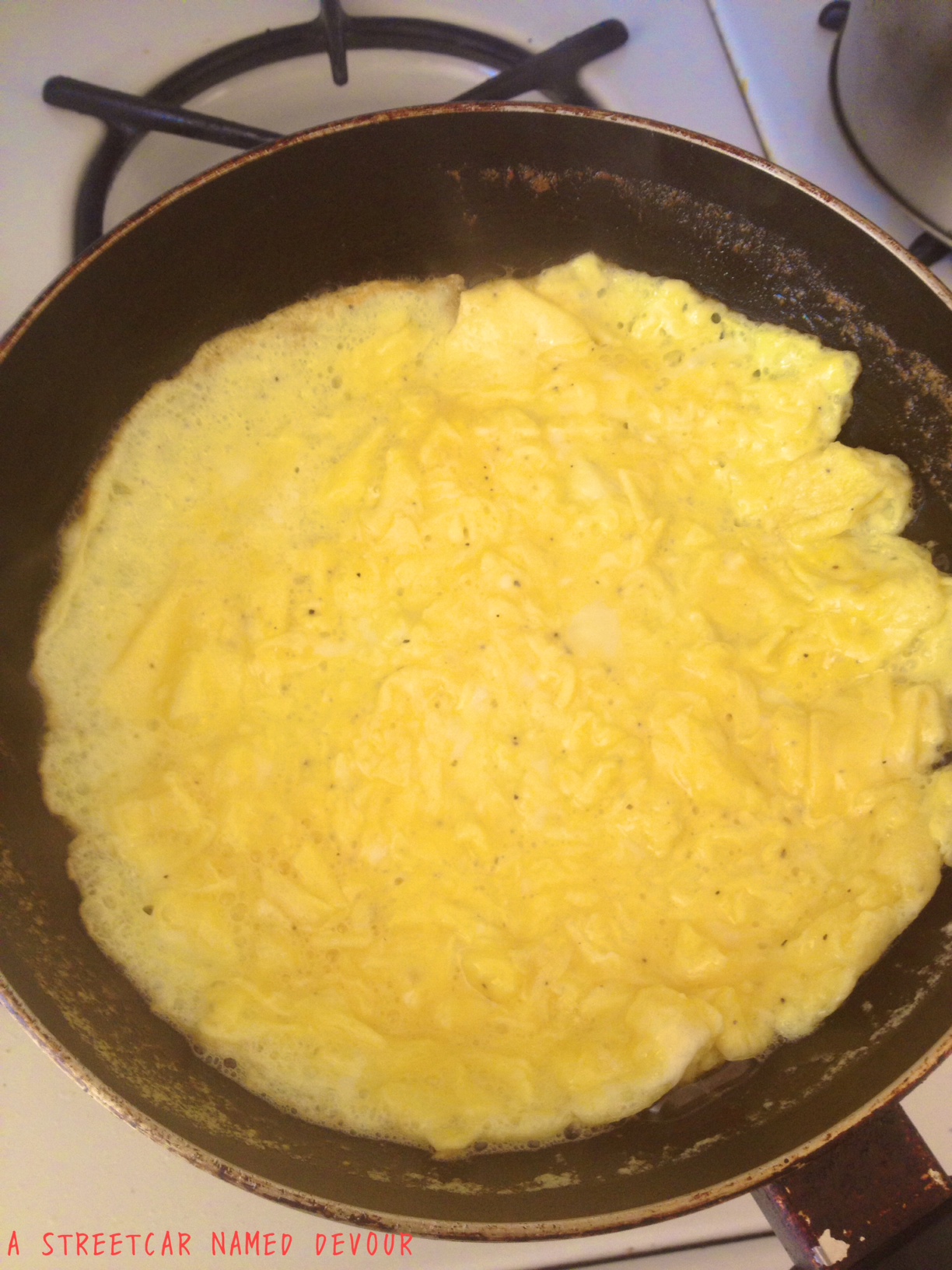
 Pour the first bowl of eggs into the center of the pan and continue to scramble using a fork till the eggs begin to set, about 5 seconds. Once the egg mass begins to form, lift the pan and swirl it around until the excess liquid pours off into the pan. Using a rubber spatula, move it around the edge of the egg mixture to help shape into a round and loosen the edge. Let the omelet sit in the pan for about 10 more seconds.

eggs omeletfilling

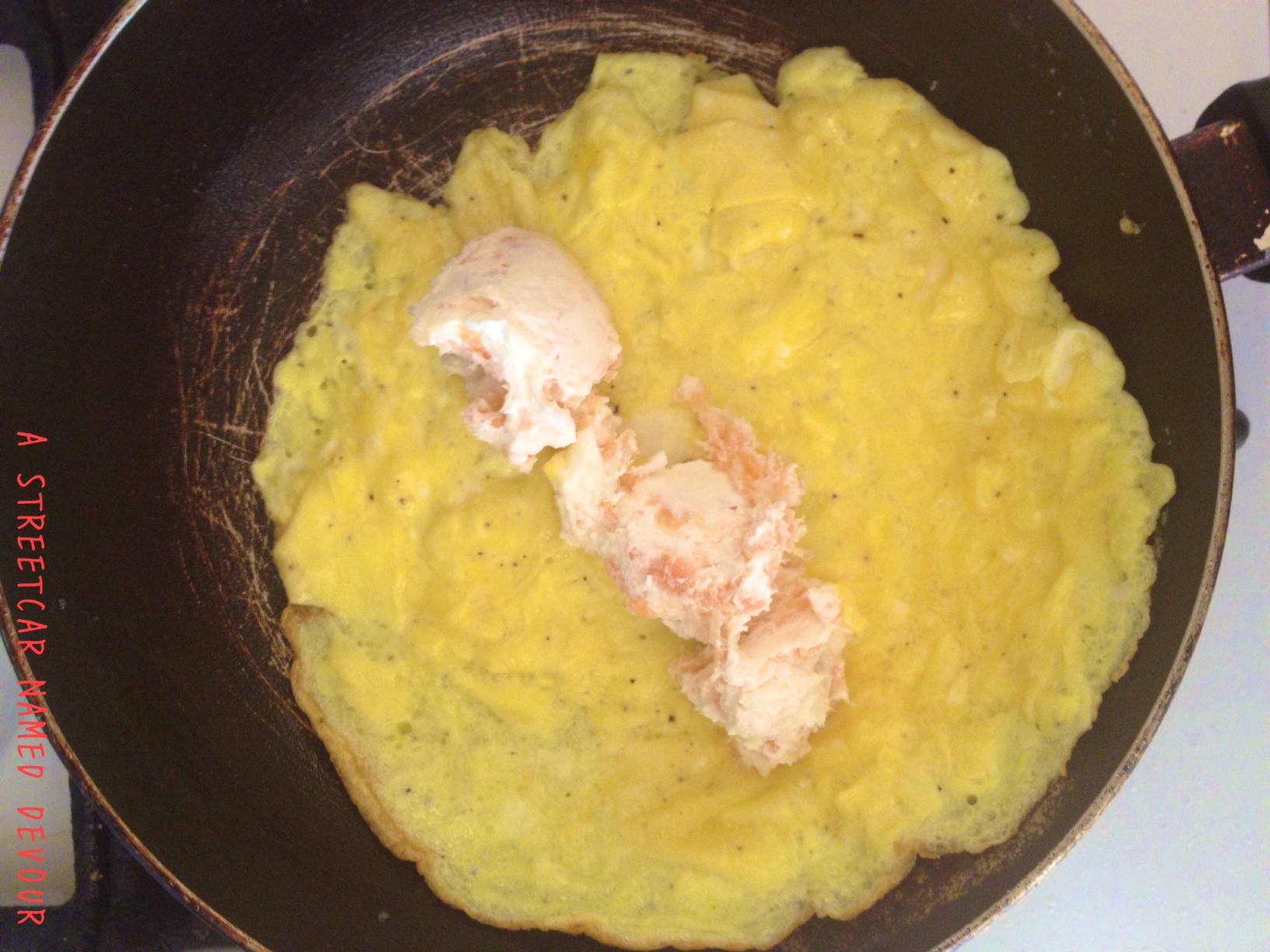
Spoon the center of the omelet with the cream cheese-smoked salmon mixture (don’t smear it on there). Using the rubber spatula, loosen the eggs from the pan, tilting the pan up so that the egg “rolls” into a French omelet.

omeletroll

Guide the eggs to roll with your spatula, being careful not to tear the egg surface. Continue to roll the eggs into a plate. Repeat with the rest of the eggs.

Top with Caper Cream Sauce (Recipe below)

Caper Cream Sauce
Recipe slightly adapted from Epicurious
Serves 5

INGREDIENTS
1 1/2 tablespoons unsalted butter 1/3 cup capers, drained
2 ea. garlic cloves, minced
1/2 cup white wine
1 1/2 cups whipping cream
Freshly ground black pepper, to taste

METHOD
In a medium sauce pot over medium heat, melt the butter and then add the garlic. Allow it to saute till it turns a light golden brown, then add the capers, stir for 1 minute. Add the white wine and allow the liquid to reduce by about half, then add the whipping cream and bring to a boil, stirring to remove any clumps. Once the liquid has started to boil, reduce to medium-low and allow for the sauce to thicken till it nicely coats the back of a spoon. If the sauce is too thick, add a bit more whipping cream, stirring to incorporate. Season with black pepper.

Spoon a generous dollop atop the omelets. Serve.

omelet
Return to main story HERE

Is That Blue Soup?

IMG_6388

In the first course, Bridget ties some leeks together with blue string. The string’s dye is steeped into the soup, making her otherwise leek soup a “Blue Leek Soup.” I modified the recipe by adding some celery root, creme fraiche and a few drops of homemade natural blue food coloring.

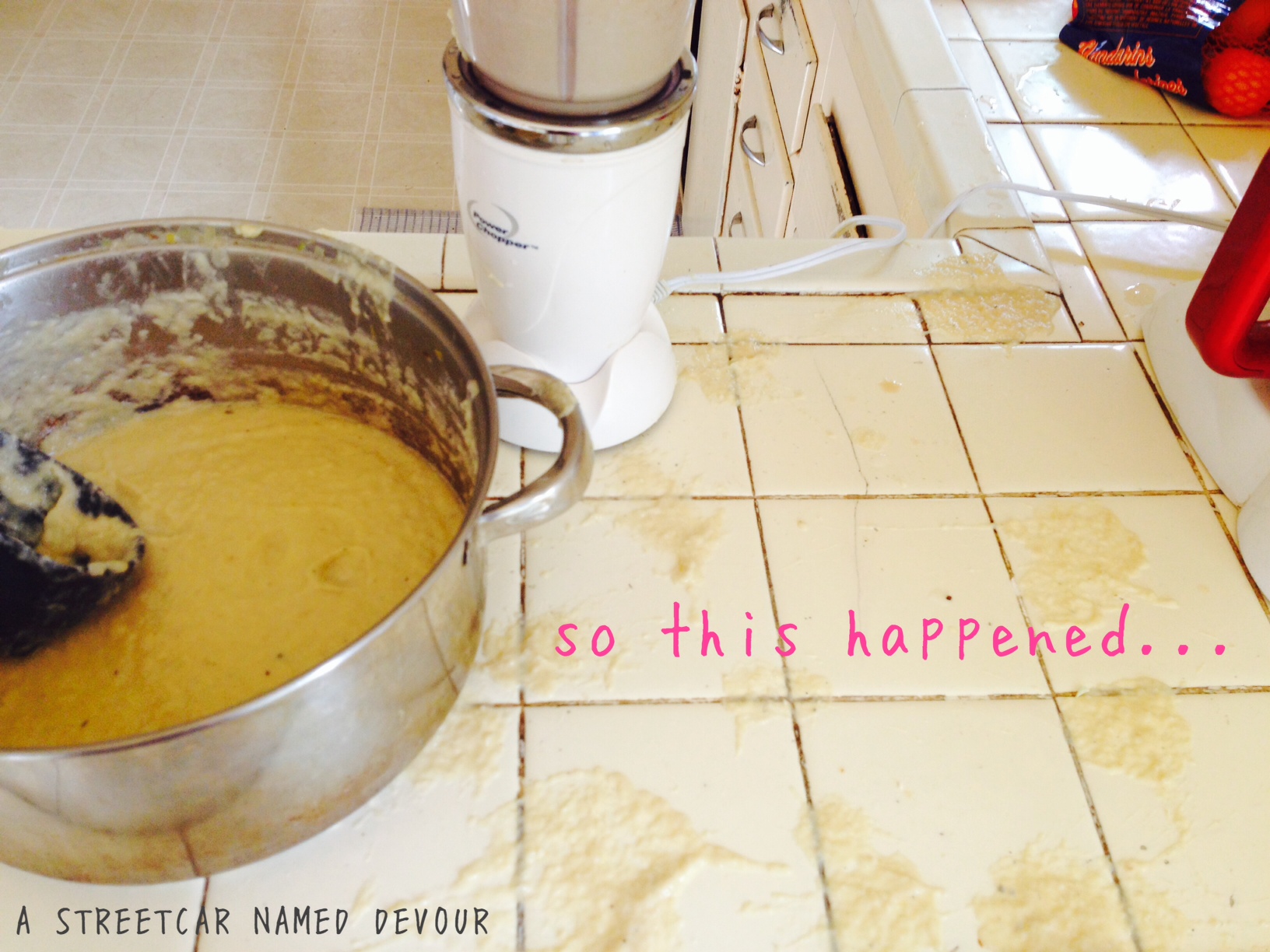
This is a pureed soup, so make sure that your soup base is slightly cooled before pureeing. You want to avoid the possible classic Bridget moment that I (unintentionally) happened to have. I guess you can say that I really was unconsciously channeling my inner Bridge: Whilst using my Power Blender (emphasis on power here) I had placed a bit too much soup into the machine and much of this very very HOT soup mixture came flying at me and all over my kitchen counter! In pure Bridget fashion, I cursed the blender and went for another glass of wine.

soupmess

Bridget’s Blue Soup
Recipe slightly adapted from Fine Cooking
Serves 5

soupmep

INGREDIENTS
2 tablespoons unsalted butter
2 ea. small leeks (use the white and light green parts only) trimmed, halved lengthwise, cut crosswise into half-inch half-moon slices, rinsed thoroughly
1 small onion, small dice
1 1/2 teaspoons kosher salt, additional to taste
1 pound celery root (about 1 ea. medium)
2 1/4 cup vegetable stock
2 cups water
1/2 cup white wine
1/2 cup creme fraiche (sour cream will work, too)
1 cup half and half
Freshly ground black pepper, to taste
Homemade blue food coloring (Recipe also here)

METHOD
In a large heavy-bottomed pot, melt the butter over medium-low heat. Add the leeks, onion, salt and pepper. Cook while stirring occasionally until softened and a light golden color, about 15 to 20 minutes.

While you’re cooking the leeks and onions, wash and peel the celery root with a peeler or sharp paring knife. Use a sharp chef knife to halve the peeled celery root lengthwise and cut each half into 1-inch-thick wedges and then into medium-size dice.

soupprecook

Once the leeks and onions are softened, add the celery root, 2 cups water and the vegetable stock to the leek onion mixture. Cover and cook until the celery root is tender, about 15 to 20 minutes at a medium-low heat. (Be sure to check the vegetables occasionally; if all the water cooks off and the vegetables start to go brown, add another 1/4 cup of stock). Continue to cook another 20 minutes or until the celery root is tender. Remove from heat and allow to cool slightly.

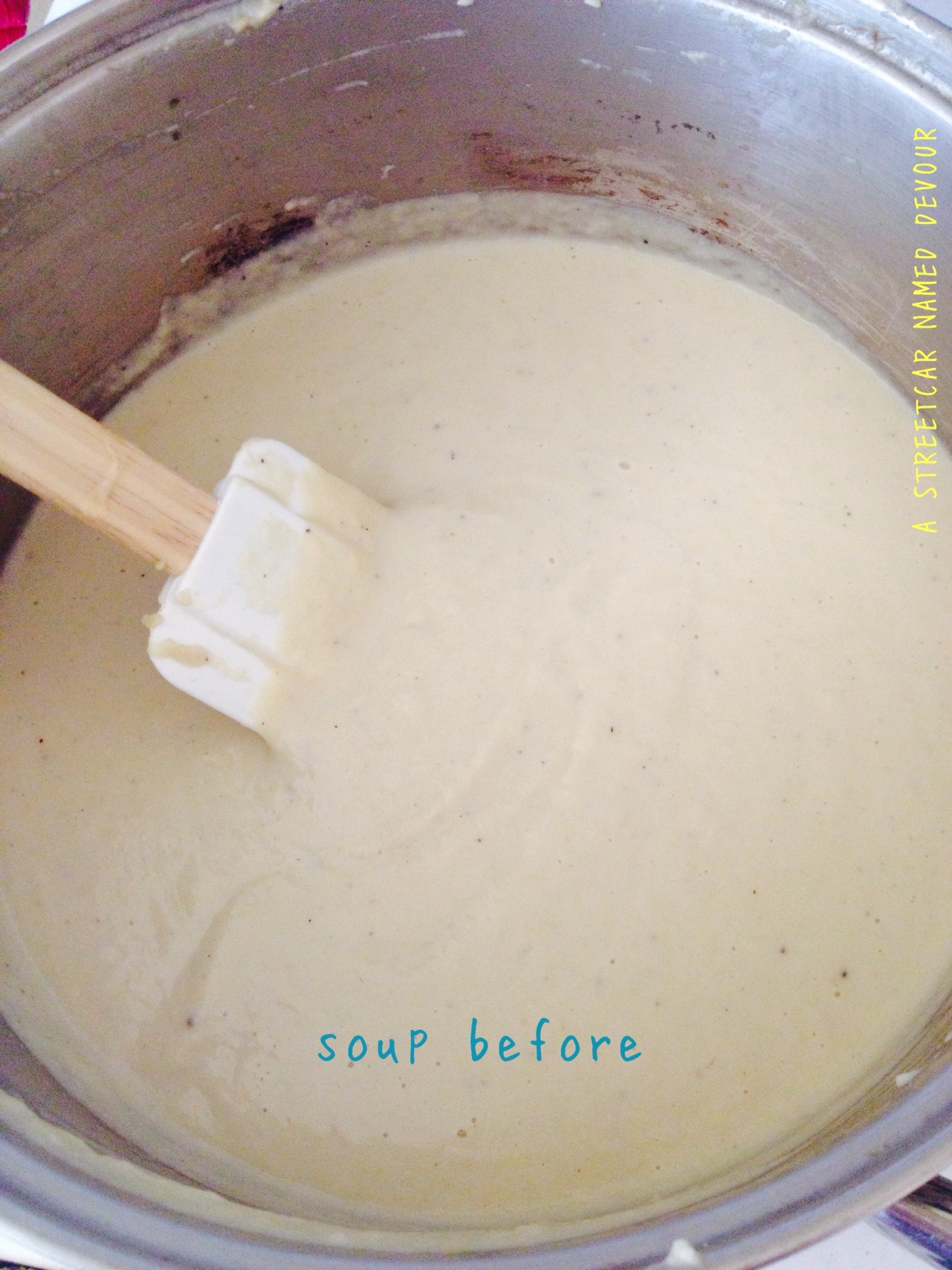
Purée the soup (with a hand blender, food processor or in small batches in a stand blender) to a very smooth, creamy consistency.

soupb4

Return the pureed soup to the soup pot. Add in the half and half and the crème fraîche (or sour cream) to the soup and mix well over medium-low heat to fully incorporate. Season to taste.

soupafter

Add in a few tablespoons of your homemade blue food coloring (I used about 6) until it’s a nice blue color.

If you’re not serving the soup immediately, allow to cool completely and then store in the refrigerator at least overnight or for up to two days.

When reheating the soup (always reheat to at least 165 degrees Fahrenheit) if it becomes too thick, gradually thin it out with no more than 1 cup water. Taste and add more salt and pepper as needed. Ladle the soup into small bowls.

soupsetting


Return to main story HERE